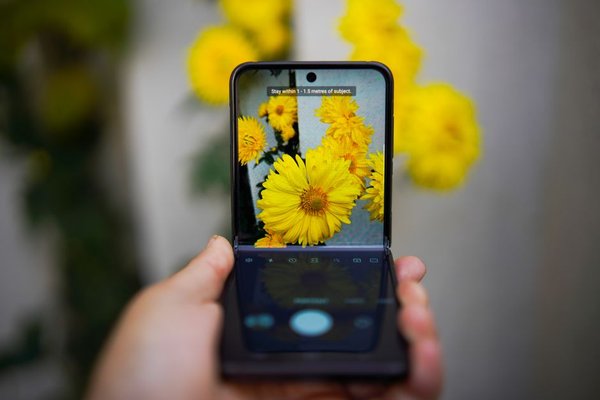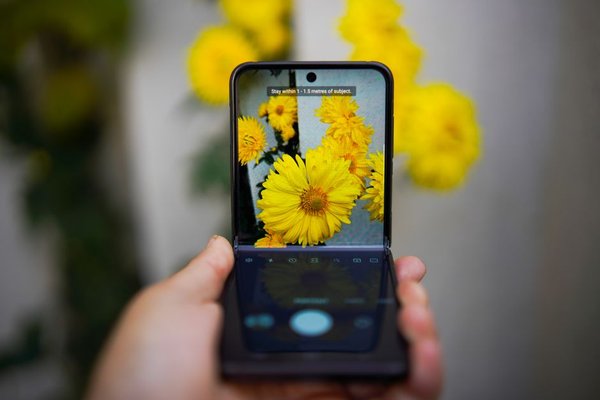
Camera phones have reached a point where the differences are less about megapixel headlines and more about how an imaging system behaves. Sensor size, lens brightness, autofocus, stabilisation, colour processing and video tools all shape the result. The best camera phones of 2026 also use computational photography to combine exposures, recover shadows and reduce motion blur.
No phone is the automatic winner for every photographer. A parent photographing children indoors needs different strengths from a traveller shooting distant architecture or a creator recording colour-graded video. The models below stand out for different types of phone photography, based on their current hardware and official imaging features.
The Best Camera Phones of 2026
Samsung Galaxy S26 Ultra: Best all-round camera system
Samsung’s Galaxy S26 Ultra offers the broadest focal-length coverage in a mainstream flagship. Its rear cameras include a 200MP f/1.4 main sensor, 50MP ultrawide, 50MP 5x telephoto and 10MP 3x telephoto. That dual-telephoto setup gives photographers useful steps for portraits, street scenes, landmarks and distant subjects without immediately relying on extreme digital cropping.
The advertised zoom reaches far beyond the optical lenses, but the most dependable results will usually come at moderate magnifications in good light. For one top camera phone that can handle almost any subject, Samsung is the most versatile choice.
Apple iPhone 17 Pro and Pro Max: Best for video
The iPhone 17 Pro line uses three 48MP rear cameras: main, ultrawide and 4x telephoto. Apple also provides 2x and 8x optical-quality framing through high-resolution sensor crops. Its greater advantage for creators is consistency when exposure, colour and focus change between cameras during a recording.
Support for 4K Dolby Vision, ProRes, ProRes RAW, Apple Log 2 and external recording makes the iPhone practical for professional editing. The Pro and Pro Max share their core camera capabilities, so the choice is mainly about size, battery life and handling.
Google Pixel 10 Pro and Pro XL: Best point-and-shoot choice
Google combines a 50MP main camera with a 48MP autofocus ultrawide and a 48MP 5x telephoto. The Pixel 10 Pro’s appeal is the speed with which its processing produces a balanced, shareable image. Night Sight, Face Unblur, Best Take, Real Tone and computational zoom help when there is little time to manage settings or repeat a shot.
A 42MP autofocus front camera also suits group selfies and creator-facing video. The Pixel is particularly strong for family photographs, travel snapshots and mixed lighting.
OPPO Find X9 Pro: Best for telephoto portraits
The Find X9 Pro centres its system on a 200MP 70mm telephoto with optical stabilisation, a 1/1.56-inch sensor and f/2.1 aperture. That focal length is flattering for portraits because it avoids the distortion of very wide cameras. It can also focus closely for food, flowers and small details.
A 50MP main camera with a 1/1.28-inch sensor and a 50MP ultrawide complete the system. The phone supports 4K 120fps Dolby Vision, giving it a strong balance of still-photo and video tools.
vivo X300 Ultra: Best specialist photography hardware
The vivo X300 Ultra takes a camera-first approach with three ZEISS focal lengths: 14mm ultrawide, 35mm main and 85mm telephoto. The unusual 35mm main view feels natural for documentary, street and environmental portrait photography compared with the wider main cameras on many rivals.
Optional telephoto extenders can reach farther, although availability varies by country and the accessories add cost and bulk. This is an enthusiast’s choice for someone willing to learn the system and work deliberately.
HONOR Magic8 Pro: Best for stabilised night zoom
HONOR pairs a 50MP main camera with a 200MP 3.7x telephoto and promotes CIPA-rated stabilisation. Stabilisation helps at night because it reduces blur during longer exposures and makes distant subjects easier to frame through the telephoto lens.
The Magic8 Pro suits city lights, indoor events and evening portraits. Photographers who prefer a restrained look should compare its standard and AI-enhanced processing modes.
Sony Xperia 1 VIII: Best for manual control and action
Sony continues to borrow ideas from its Alpha cameras. The Xperia 1 VIII offers real-time eye autofocus, subject tracking, up to 30fps AF and AE burst shooting, RAW capture and a Pro Photo interface. Those features matter for pets, sport and movement, where focus behaviour can be more important than resolution.
Its output may require more involvement than a Pixel or iPhone. That is the attraction for photographers who want to control shutter speed, focus and creative look.
How to Choose the Best Smartphone Camera in 2026
Start with the subjects you photograph
For wildlife, concerts and architecture, prioritise a strong telephoto camera and stabilisation. For children and pets, look for reliable autofocus, fast capture and motion processing. Landscape photographers should examine ultrawide quality, while creators should compare video formats, microphones and lens switching.
Do not buy on megapixels alone
A 200MP camera is not automatically better than a 48MP one. Sensor dimensions, lens quality, stabilisation and processing influence detail and noise. High-resolution modes work best with good light and a steady subject; everyday automatic modes often combine pixels and multiple frames for cleaner files.
Think about the complete workflow
Imagine filming a weekend travel guide. The iPhone may suit a creator who records in Log and edits on a computer. A Pixel may be better for quick photographs and immediate sharing. Samsung makes sense when the day includes wide interiors, portraits and distant landmarks. The best phone camera is the one whose strengths match how its files will be used.
Frequently Asked Questions
Which is the best camera phone overall in 2026?
The Samsung Galaxy S26 Ultra is the strongest all-round choice because it combines a high-resolution main camera, capable ultrawide and two telephoto focal lengths. Apple, Google and other flagships may be better for specialised photography.
Which phone is best for low-light photography?
Low-light results depend on the lens being used. Bright apertures, larger sensors and stabilisation provide an advantage, while computational night modes improve exposure and noise. The OPPO Find X9 Pro and HONOR Magic8 Pro are especially interesting for low-light telephoto work.
Which camera phone is best for content creators?
The iPhone 17 Pro is the most complete video-focused option because of its recording formats, colour workflow and consistent lens switching. Creators who prioritise quick editing and still photography may prefer the Pixel 10 Pro.
Is optical zoom always better than digital zoom?
Optical zoom generally preserves more genuine detail because the lens frames the subject before capture. High-resolution crops and computational zoom are useful at intermediate distances, but extreme digital zoom should not be treated as equal to a dedicated telephoto lens.
Choose for Your Photography, Not the Specification Sheet
The best camera phones of 2026 are specialised tools disguised as everyday devices. Samsung offers versatility, Apple leads advanced video workflows, Google simplifies difficult snapshots, and OPPO, vivo, HONOR and Sony serve more specific priorities. Decide which focal lengths you use, how much control you enjoy and where your work will be published. That will reveal the camera system whose advantages matter after the first week of ownership.